

Improving Your Home
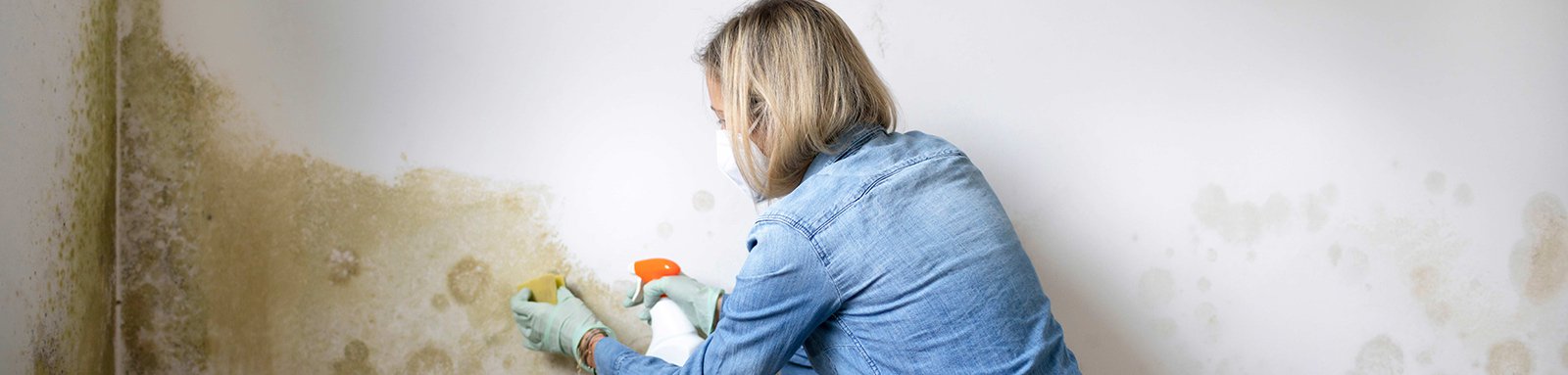
How to treat and prevent mould in your home
Mould in the home is often caused by excess moisture, leaks, poor ventilation or high humidity. To help prevent mould growth, it’s important to address leaks as soon as they occur, improve airflow throughout your home, and keep indoor humidity levels under control. Taking some simple steps can help reduce the risk of mould and create a healthier living environment.
Why mould should be addressed
Apart from being unsightly, mould can also damage your health and home.
- If black mould is present, seek professional advice immediately, as it can pose serious health risks.
- Regular mould can trigger asthma, allergies, and respiratory issues.
- Mould can weaken and damage walls, ceilings and the structure of your home over time.
- Delaying treatment can affect your ability to make an insurance claim.
Causes of mould in homes
Mould often develops after storms, floods or cyclones, however everyday conditions can also contribute.
Water leaks
Leaks in your roof or plumbing can be a breeding ground for mould. Storms and flooding typically amplify this risk.
Poor ventilation
Mould generally grows where there is limited airflow and sunlight – like in bathrooms, kitchens and laundries.
Condensation
Condensation, caused by moisture from showers, cooking or cooler temperatures, encourages mould growth.
Excess moisture and humidity
High humidity creates ideal conditions for mould spores to grow, especially in humid parts of Australia.
Signs of mould in your home include:
- Musty or damp odours.
- Visible black, green or white patches.
- Peeling paint or bubbling walls.
- Increased allergies or breathing issues. Even if mould isn’t visible, these signs may indicate hidden growth.
How to prevent mould in your home
Prevention is better than removal. Here are some useful strategies:
Control moisture
- Fix leaks immediately.
- Dry wet areas quickly.
Improve ventilation
- Use exhaust fans.
- Open windows regularly.
- Install ventilation systems if needed.
Reduce indoor humidity
- Use dehumidifiers.
- Avoid drying clothes indoors without airflow.
Perform regular maintenance
- Clean gutters.
- Check roofing and seals.
How to treat and remove mould
Small areas
- Wear protective gear.
- Use household cleaners or mould-specific products.
- Avoid dry brushing, as it can spread mould spores.
Larger or recurring mould
- Seek professional remediation.
- Identify the underlying moisture source.
What not to do
- Don’t paint over mould without treatment.
- Don’t ignore recurring growth.
Does insurance cover mould?
Mould is not covered by insurance as a standalone event or issue. If something happens to your home and contents from an insured event, such as storm damage, flooding or a water leak, and that then causes mould to grow, the treatment may be covered as part of your claim.*
GIO Home Building Insurance may also provide temporary accommodation if your home is unsafe to live in due to mould or water damage.
If you want cover for your personal belongings at home, consider GIO Contents Insurance.
Explore GIO Home and Contents Insurance
When mould isn’t covered by home insurance
Generally, home and contents insurance won’t cover mould that occurs due to things such as lack of maintenance or gradual water leaks that were easily visible to a reasonable person in the circumstances.
For more information on what is and isn’t covered, read your Product Disclosure Statement.
When to call a professional
Seek expert help if:
- strong mould odours persist,
- structural damage is suspected,
- health symptoms worsen, or
- you have a compromised immune system.
Mould prevention checklist
Follow this checklist to keep your home mould-free:
1. Get the affected area cleaned
There are many home remedies circulating online touting effective mould removal – such as using clove oil and vinegar. They may clean the mould affected area, but they won’t do a sufficient job or kill all the mould particles. Instead, for effective long-term results, you could consider hiring a professional mould remover service to do the job.
2. Remove wet items
Any wet carpets, rugs, or upholstered furniture should be removed from the home as soon as possible. These materials can retain moisture and become breeding grounds for mould. If items are too large to move, use fans and dehumidifiers to dry them quickly.
3. Use air conditioning (in dry mode)
If your air conditioner has not been affected by mould, flooding or heavy moisture, running it on ‘Dry’ mode for anywhere from 30 minutes to several hours a day, depending on the size of your rooms and home, at 23 degrees Celsius may help reduce humidity while remaining energy efficient.
If mould is present in or around the unit, avoid using air-conditioning or ventilation units until it has been checked and cleaned, as contaminated units can spread mould spores. Clean filters regularly and follow the manufacturer’s instructions. If the unit has been affected by flooding, heavy moisture or visible mould, consider having it serviced by a qualified technician before use.
4. Fix leaks quickly
This stops the spread of existing growth and prevents moisture build-up.
5. Keep humidity low
Running a dehumidifier can reduce moisture levels in the air, making it harder for mould to grow. Place dehumidifiers in rooms that are most susceptible to dampness, such as bathrooms, and empty the water reservoir every week.
6. Improve airflow
Use exhaust fans to improve ventilation. Open your doors and windows to allow the flow of air.
7. Clean and dry damp areas
Control moisture by cleaning and drying damp areas after flooding, leaks or regular use.
8. Use moisture absorbing kits
Ideal for cupboards and small rooms, though less effective in large spaces. You can buy them from most supermarkets and hardware stores.
9. Inspect problem areas regularly
Check problem areas frequently to catch mould early.
Read more:
- Prepare for Storm Season with GIO
- How to prepare for a flood
- What does GIO Home and Contents Insurance cover?
*We do not insure for bushfire, storm, storm surge, flood or tsunami in the first 72 hours of your policy. Very limited exceptions apply. Actions or movements of the sea and storm surge are not covered (unless the storm surge damage occurs at the same time as damage caused by storm). Other exclusions apply.
Insurance issued by AAI Limited ABN 48 005 297 807 trading as GIO. Read the Product Disclosure Statement before buying this insurance. Go to gio.com.au for a copy. Target Market Determination also available.
This advice has been prepared without taking into account your particular objectives, financial situation or needs, so you should consider whether it is appropriate for you before acting on it. The information is intended to be of general nature only. Subject to any rights you may have under any law (including the Australian Consumer Law), we do not accept any legal responsibility for any loss incurred as a result of reliance upon it – please make your own enquiries. This information applies to new policies or renewal policies starting on or after 24 May 2025.
